Physical Address
304 North Cardinal St.
Dorchester Center, MA 02124
Physical Address
304 North Cardinal St.
Dorchester Center, MA 02124
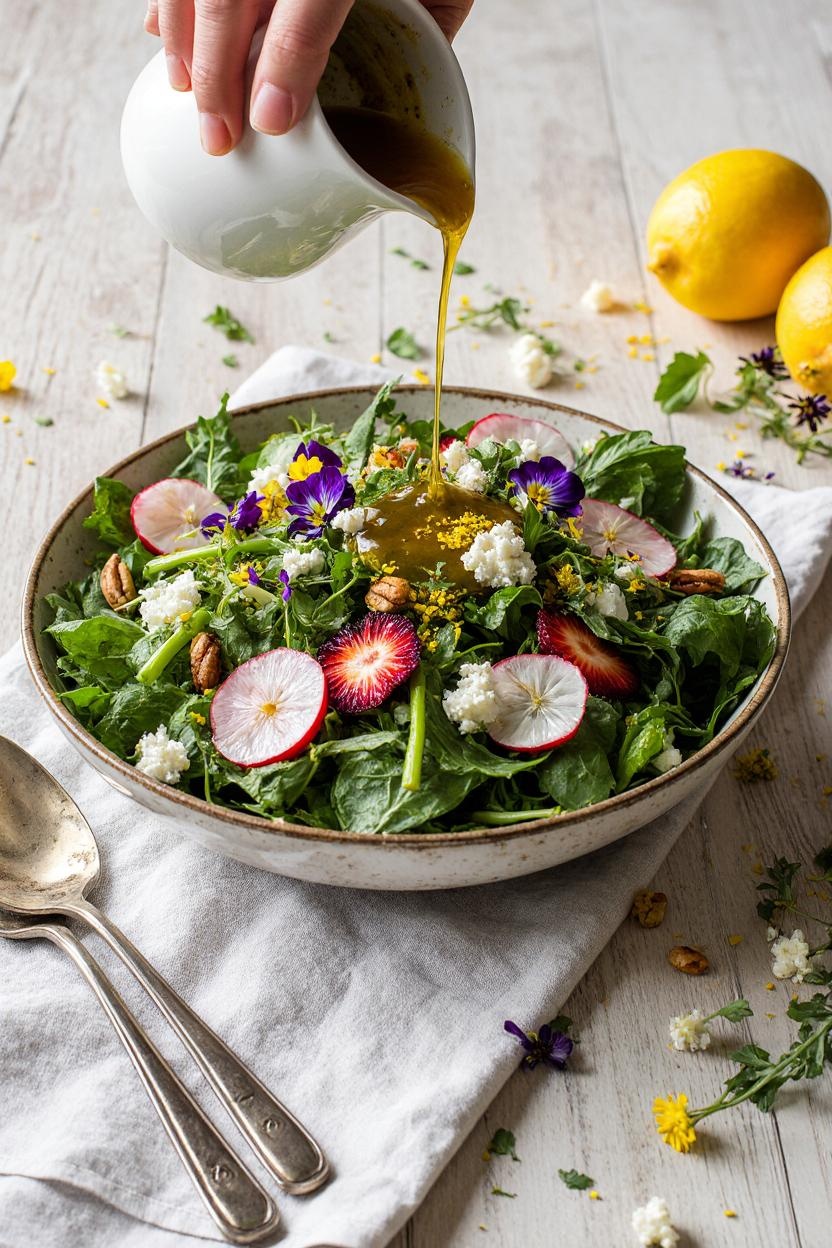
There’s a particular moment every spring when something shifts quietly in the kitchen. The soups and roasted vegetables that carried you through winter suddenly feel like too much — too heavy, too dark, too much like a season that’s already over. What you actually want is something that tastes like the air outside feels. Something green and alive, with a dressing that brightens rather than coats, ingredients that crunch and pop, and a bowl that genuinely makes you feel good from the first forkful. That’s what the freshest spring salad you’ll make all season delivers — not a reluctant side dish, but the kind of salad people lean across the table for, ask about before the meal has even finished, and quietly hope you’ll bring to every gathering until summer takes over. This guide gives you everything: the ingredients, the technique, the dressing secrets, and the variations that make this recipe endlessly repeatable all season long.
Spring produce exists in a genuinely short peak window — roughly March through June — and the vegetables and herbs available during that period taste unlike anything you can replicate with out-of-season alternatives. They’re harvested younger, more tender, and at a point of natural sweetness and brightness that storage and transportation simply cannot preserve.
Here’s what makes spring salads distinctly different from anything else on the calendar:
| Season | Key Salad Ingredients | Flavor Profile | Dressing Style |
|---|---|---|---|
| Spring | Peas, radishes, asparagus, arugula, mint | Fresh, bright, slightly bitter | Light citrus, lemon vinaigrette |
| Summer | Tomatoes, cucumber, corn, basil | Bold, sweet, juicy | Balsamic, herb-based |
| Fall | Squash, apple, kale, pecans | Warm, earthy, sweet | Maple, tahini |
| Winter | Citrus, fennel, Brussels sprouts | Sharp, robust, hearty | Creamy, mustard-based |
The spring column is where everything feels lightest — and that lightness is exactly what makes the freshest spring salad you’ll make all season so satisfying.
Your green base isn’t just a carrier for toppings — it sets the entire tone of the salad. The best spring salads use a combination of tender and slightly assertive greens to create layered flavor without any single element dominating.
The best greens for spring salads:
For this recipe, a combination of baby arugula and pea shoots gives you both the peppery bite and the sweet spring character that define the freshest spring salad you’ll make all season.
| Vegetable | Preparation | Flavor Contribution | Peak Month |
|---|---|---|---|
| Radishes | Thinly sliced on mandoline | Peppery, crunchy contrast | March–May |
| English peas | Fresh shelled or frozen, thawed | Sweet, tender, bright green | April–June |
| Asparagus | Raw shaved with vegetable peeler | Grassy, earthy, slightly sweet | March–May |
| Sugar snap peas | Sliced diagonally | Sweet, crunchy, fresh | April–June |
| Persian cucumber | Thinly sliced | Cool, refreshing, mild | April–June |
| Spring onion | Thinly sliced | Mild onion, gently sweet | March–May |
| Fennel | Shaved paper-thin | Anise-like, crisp, aromatic | March–April |
Raw shaved asparagus is one of the most underused spring salad techniques. Run a vegetable peeler along the length of each spear and you get delicate, curling ribbons that absorb dressing beautifully and bring a grassy sweetness that cooked asparagus simply doesn’t deliver.
| Ingredient | Amount | Notes |
|---|---|---|
| Baby arugula | 3 cups | Washed and thoroughly dried |
| Pea shoots | 1 cup | Trimmed |
| English peas | ¾ cup | Fresh shelled or frozen, thawed |
| Sugar snap peas | 1 cup | Strings removed, sliced diagonally |
| Radishes | 6 medium | Thinly sliced on a mandoline |
| Asparagus | 6 spears | Shaved raw with vegetable peeler |
| Persian cucumber | 2 small | Thinly sliced |
| Spring onion | 2 stalks | Thinly sliced |
| Fresh mint leaves | ¼ cup | Torn gently by hand |
| Fresh dill | 2 tbsp | Roughly chopped |
| Shaved Pecorino | ¼ cup | Or Parmesan |
| Toasted pine nuts | 3 tbsp | Lightly toasted in a dry pan |
| Edible flowers | Small handful | Optional but visually stunning |
| Microgreens | ½ cup | Any variety |
| Flaky sea salt | To taste | Finishing touch |
| Cracked black pepper | To taste | Freshly ground |
A light, lemon-forward vinaigrette is the natural partner for the freshest spring salad you’ll make all season. It amplifies rather than masks the delicate flavors of spring produce — and it takes under three minutes to make from scratch.
| Ingredient | Amount | Role |
|---|---|---|
| Fresh lemon juice | 3 tbsp | Primary acid — bright and clean |
| Lemon zest | 1 tsp | Aromatic intensity |
| Extra virgin olive oil | 5 tbsp | Fat base for emulsification |
| Dijon mustard | 1 tsp | Emulsifier and savory depth |
| Honey or maple syrup | 1 tsp | Balances acidity |
| Garlic clove, minced | 1 small | Background savoriness |
| Fresh dill, chopped | 1 tbsp | Herbal freshness |
| Salt | ½ tsp | Flavor amplifier |
| Black pepper | ¼ tsp | Subtle heat |
| White wine vinegar | 1 tsp | Additional acidity layer |
How to make it:
Assembly order matters more than most people realize. The sequence below preserves texture, ensures even dressing distribution, and creates the visual depth that makes the freshest spring salad you’ll make all season look as good as it tastes.
| Protein | Amount | Best Preparation | Why It Works |
|---|---|---|---|
| Pan-seared salmon | 4 oz | Skin-on, medium heat | Pairs naturally with dill and lemon |
| Soft-boiled eggs | 2 | 6.5 minutes, ice bath | Creamy yolk complements the dressing |
| Grilled shrimp | 5–6 pieces | Garlic butter, 2 min per side | Light protein, elegant presentation |
| Burrata | 1 ball | Room temperature | Creamy, indulgent, visually stunning |
| Grilled halloumi | 3 oz | Sliced, dry pan | Salty and satisfying |
| Roasted chickpeas | ½ cup | Cumin and olive oil | Vegetarian crunch and protein |
| Ingredient | Amount |
|---|---|
| Baby spinach | 3 cups |
| Fresh strawberries, sliced | 1½ cups |
| Goat cheese, crumbled | ¼ cup |
| Candied walnuts | ¼ cup |
| Red onion, thinly sliced | ¼ cup |
| Fresh basil leaves | ¼ cup |
| Balsamic honey dressing | 3 tbsp |
Strawberries and goat cheese are one of spring’s most reliable flavor pairings. The tartness of the cheese against the sweetness of in-season strawberries creates a balance that feels effortless. Make the dressing by whisking two tablespoons balsamic vinegar with one tablespoon honey and three tablespoons olive oil.
| Ingredient | Amount |
|---|---|
| Farro or quinoa, cooked | 1½ cups |
| Asparagus, blanched | 1 cup |
| English peas | ½ cup |
| Radishes, sliced | 4 medium |
| Fresh herbs (mint, dill, parsley) | ½ cup total |
| Lemon vinaigrette | 3 tbsp |
| Feta cheese, crumbled | ¼ cup |
| Toasted almonds | ¼ cup |
This variation holds up for two to three days in the refrigerator — making it one of the most practical weekly meal prep options available during spring. The grain base absorbs the lemon vinaigrette overnight and the flavor actually improves by the second day.
Beyond the master lemon herb vinaigrette, these four alternatives keep the freshest spring salad you’ll make all season feeling new every time you return to it:
| Ingredient | Amount |
|---|---|
| Dijon mustard | 2 tbsp |
| Honey | 1 tbsp |
| Apple cider vinegar | 2 tbsp |
| Olive oil | 4 tbsp |
| Garlic, minced | 1 clove |
| Ingredient | Amount |
|---|---|
| Ripe avocado | 1 medium |
| Fresh tarragon + chives + parsley | 2 tbsp each |
| Lemon juice | 2 tbsp |
| Greek yogurt | 3 tbsp |
| Olive oil | 2 tbsp |
| Water to thin | 2–3 tbsp |
| Ingredient | Amount |
|---|---|
| Champagne vinegar | 3 tbsp |
| Shallot, minced | 1 small |
| Dijon mustard | ½ tsp |
| Olive oil | 5 tbsp |
| Honey | 1 tsp |
| Ingredient | Amount |
|---|---|
| White miso paste | 1 tbsp |
| Fresh ginger, grated | 1 tsp |
| Rice vinegar | 2 tbsp |
| Sesame oil | 1 tbsp |
| Olive oil | 3 tbsp |
| Lime juice | 1 tbsp |
These are the habits that separate consistently excellent results from occasionally good ones:
| Mistake | The Problem | The Fix |
|---|---|---|
| Wet greens | Dressing slides off, salad wilts quickly | Salad spinner then pat dry thoroughly |
| Overdressing | Soggy, heavy, unpleasant texture | Start with half the dressing |
| Chopping herbs | Bruised, bitter result | Tear by hand instead |
| Skipping seasoning | Flat, one-dimensional flavor | Season every component separately |
| Cold ingredients | Dressing doesn’t coat evenly | Allow everything to reach room temperature |
| Component | Make-Ahead? | Storage | Duration |
|---|---|---|---|
| Lemon vinaigrette | Yes | Sealed jar, refrigerator | Up to 1 week |
| Toasted nuts | Yes | Airtight container, room temp | Up to 2 weeks |
| Washed and dried greens | Yes | Paper towel-lined container | 2–3 days |
| Sliced radishes | Yes | Water-covered container | 2–3 days |
| Shaved asparagus | Same day | Covered, refrigerator | Same day only |
| Fresh herbs | Same day | Damp paper towel wrap | Same day |
| Assembled salad | No | — | Serve immediately |
The most time-efficient approach is to prep all components separately up to two days ahead and assemble only when you’re ready to eat. This preserves every quality that makes the freshest spring salad you’ll make all season worth the effort.
The freshest spring salad is defined by its seasonal ingredient selection — tender pea shoots, shaved asparagus, crisp radishes, fresh English peas, and fragrant spring herbs like mint and dill. These ingredients exist in a short peak window between March and June, and using them at their prime produces a brightness and lightness that no other season can replicate.
Most components can be prepped one to two days in advance when stored separately. Your dressing, toasted nuts, washed greens, and sliced radishes all hold well with proper storage. However, the assembled freshest spring salad should always be dressed and served immediately — even 30 minutes of sitting dressed will compromise the texture and vibrancy that define this recipe.
The proteins that complement this salad most naturally have light, clean flavor profiles — pan-seared salmon with dill, soft-boiled eggs, lemon-herb grilled chicken, grilled shrimp, or burrata. Avoid boldly spiced or heavily marinated proteins that compete with rather than support the delicate spring flavors.
Yes — easily. Omit the Pecorino and replace with nutritional yeast, toasted seeds, or a plant-based alternative. Replace honey in the vinaigrette with maple syrup. Every other ingredient in the master recipe is naturally plant-based.
A lemon herb vinaigrette is the most natural pairing because it amplifies the delicate flavors of spring produce rather than masking them. Champagne vinaigrette and honey Dijon are equally excellent. Avoid heavy, creamy dressings — they weigh down tender greens and compete with the clean brightness that defines this salad.
Dry your greens completely after washing — use a salad spinner, then pat with paper towels. Store in a paper towel-lined airtight container in the refrigerator until the moment of assembly. Never dress the salad until immediately before serving, and use only enough dressing to lightly coat rather than saturate the leaves.
The freshest spring salad you’ll make all season isn’t a complicated recipe — it’s an intentional one. It asks you to pay attention to what’s available right now, to use ingredients at the exact moment they taste best, and to let a light dressing do the work that heavy sauces never need to. Spring produce has a short window, and the salad you make with peak-season radishes, just-shelled peas, and delicate pea shoots in April tastes genuinely different from anything you could produce in October.
Start with the master recipe. Add a protein when you want a full meal. Try the strawberry and goat cheese version for something more festive. Keep a jar of lemon vinaigrette in your refrigerator all season and you’ll find yourself reaching for it more than you expect.