Physical Address
304 North Cardinal St.
Dorchester Center, MA 02124
Physical Address
304 North Cardinal St.
Dorchester Center, MA 02124
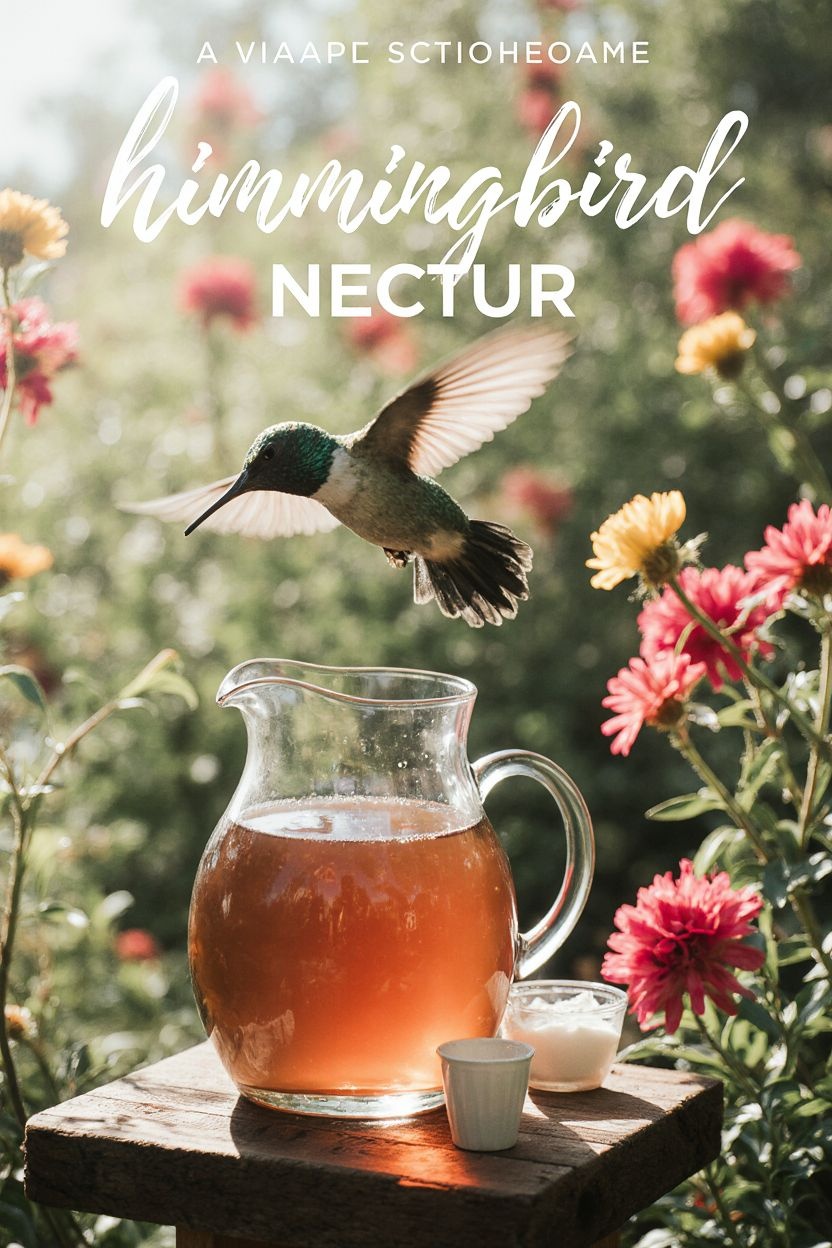
You don’t need a large garden or fancy equipment to enjoy the beauty of hummingbirds. Sometimes, all it takes is a quiet morning, a window view, and a feeder filled with the right nectar. When you notice a tiny hummingbird hovering in midair, wings moving faster than you can see, it instantly changes the atmosphere. Your outdoor space feels alive.
Creating your own hummingbird nectar recipe is one of the easiest ways to invite these fascinating birds into your yard. It’s affordable, quick to prepare, and safer than many store-bought options. With just two ingredients and a few simple steps, you can support hummingbirds while enjoying their daily visits.
A hummingbird nectar recipe is a simple mixture of sugar and water designed to mimic the natural nectar found in flowers. Hummingbirds rely on this sugary energy to fuel their fast metabolism and constant movement.
When you prepare homemade nectar, you:
Many commercial nectars include artificial dyes or preservatives that aren’t necessary. By making your own, you ensure that hummingbirds receive only what they need — pure energy.
The beauty of this recipe lies in its simplicity. You only need two ingredients.
You should never use the following:
| Ingredient | Amount | Purpose | Notes |
|---|---|---|---|
| White sugar | 1 part | Provides energy | Must be refined sugar |
| Water | 4 parts | Dilutes sugar | Filtered or boiled preferred |
| Red dye | None | Not required | Can harm birds |
White sugar closely matches natural flower nectar, making it the safest option for hummingbirds.
| Ingredient | Quantity |
|---|---|
| Water | 1 cup |
| White sugar | ¼ cup |
This quick hummingbird nectar recipe takes only a few minutes and provides enough food for several days.
The 4:1 ratio (four parts water to one part sugar) closely resembles the sugar concentration found in many flowers. This balance is important because:
Using too much sugar can make the solution heavy and difficult for hummingbirds to process. Too little sugar won’t provide enough energy. The 4:1 ratio is the safest and most recommended option.
To keep hummingbirds healthy, follow these best practices:
These small steps help prevent bacteria and ensure fresh nectar every time.
If you make extra nectar, proper storage keeps it fresh and safe.
Cold storage slows bacterial growth and helps maintain quality.
Regular cleaning:
Even small amounts of residue can contaminate fresh nectar.
Temperature affects how quickly nectar spoils.
| Weather | Change Frequency |
|---|---|
| Hot weather | Every 1–2 days |
| Mild weather | Every 2–3 days |
| Cool weather | Every 3–5 days |
In warm climates, nectar spoils faster, so you should replace it more often.
Avoid these frequent errors:
By avoiding these mistakes, you create a safer feeding environment.
Once you prepare your nectar, you can increase visits with a few adjustments.
Combining natural flowers with your hummingbird nectar recipe creates an irresistible setup.
The recommended ratio is 1 part sugar to 4 parts water. This mimics natural flower nectar.
Yes, clean tap water is usually fine. Boiling helps remove impurities.
Boiling helps dissolve sugar completely and ensures a cleaner solution.
You can store it in the refrigerator for up to one week.
No. Red dye is unnecessary and may harm hummingbirds. Most feeders already include red components.
Making your own hummingbird nectar is simple, affordable, and beneficial for the birds visiting your yard. With just sugar, water, and a few minutes, you can create a safe food source that attracts these fascinating creatures. By following proper ratios, cleaning feeders, and replacing nectar regularly, you ensure a healthy environment for hummingbirds.
Whether you’re new to bird feeding or looking to improve your setup, this hummingbird nectar recipe gives you everything you need to get started.
Now it’s your turn:
Your backyard could become a favorite stop for hummingbirds sooner than you think.