Physical Address
304 North Cardinal St.
Dorchester Center, MA 02124
Physical Address
304 North Cardinal St.
Dorchester Center, MA 02124

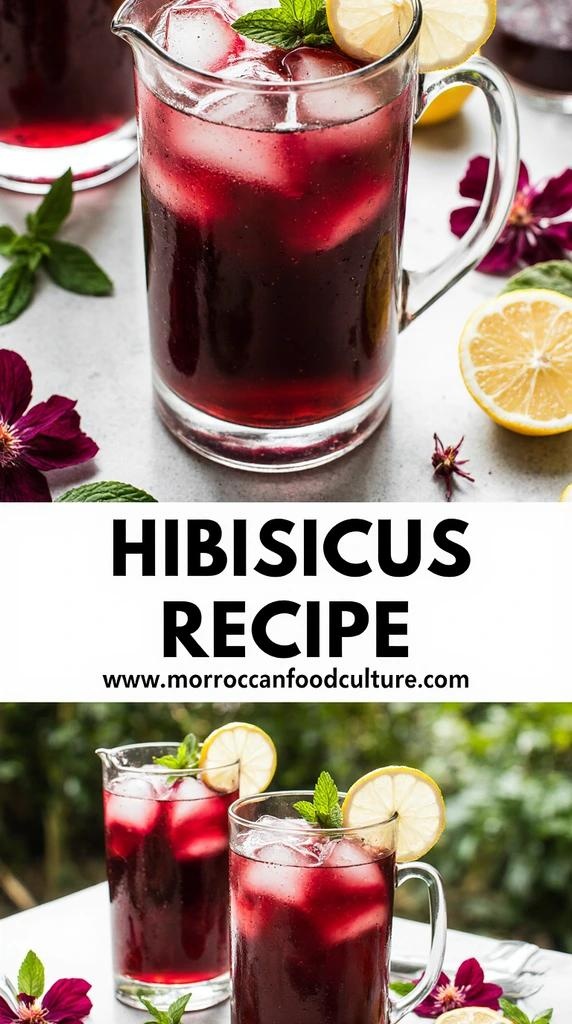
There’s something special about a drink that feels both simple and unforgettable. When you prepare hibiscus tea, you’re not just making an herbal infusion—you’re creating a naturally vibrant drink that can refresh your body and reset your mood in just a few sips. This Hibiscus Tea Recipe is one you can easily make at home with minimal effort, yet the result tastes like something from a café or wellness retreat.
If you’re looking for a caffeine-free drink that is colorful, tangy, and versatile, this guide walks you through everything you need—from ingredients to brewing methods, flavor variations, and practical tips you can actually use.
When you first see hibiscus tea, the deep ruby color usually grabs your attention. But it’s the flavor that keeps you coming back. It has a tart, slightly fruity taste that feels refreshing rather than heavy. Think of something between cranberry juice and citrus tea, but smoother and more natural.
You’ll often choose hibiscus tea when you want:
What makes it even better is how flexible it is. You can keep it simple or build layers of flavor depending on your mood.
One of the best things about this drink is how minimal the ingredients are. You don’t need anything fancy—just dried hibiscus petals and water are enough to get started.
| Ingredient | Role in the drink |
|---|---|
| Hibiscus petals | Main flavor and color base |
| Water | Extracts flavor from petals |
| Sweetener | Balances natural tartness |
| Citrus | Adds freshness and acidity |
| Spices | Adds depth and warmth |
If you prefer a clean, natural taste, you can skip everything except hibiscus and water. But small additions can completely change the personality of the drink.
You don’t need special equipment or advanced skills. The process is straightforward, and once you try it once, you’ll likely repeat it often.
This version gives you a stronger, more aromatic tea.
The longer you steep, the deeper the flavor becomes—but don’t overdo it or the taste can turn slightly bitter.
If you prefer something smooth and refreshing, this method is perfect.
This version is softer in taste and feels especially good on hot days.
Once you get comfortable with the basic Hibiscus Tea Recipe, you can start customizing it. This is where it becomes fun.
You can shape the drink based on your preference:
Each version feels like a completely different drink even though the base is the same.
While hibiscus tea is not a medical treatment, it has earned its place in many wellness routines because of its natural properties.
Because it’s caffeine-free, you can drink it in the evening without worrying about sleep disruption. That alone makes it a great everyday option.
Even though the recipe is simple, a few small mistakes can change the final taste.
Freshness matters a lot for this drink, especially if you make a large batch.
If you want your tea to taste like something more refined, a few small adjustments go a long way.
These small details make your homemade version feel more premium.
Presentation can change how you experience the drink. Even a simple tea feels special when served thoughtfully.
You can serve it:
It works beautifully for gatherings, afternoon breaks, or even as a daily hydration drink.
The simplest version is boiling dried hibiscus petals in water for 10–15 minutes, then straining and serving with optional sweetener.
Yes, many people include it in their daily routine, especially as a replacement for sugary drinks. Moderation is always a good approach.
Both work well. Hot tea feels soothing, while iced tea is more refreshing and energizing.
Not necessarily. It naturally has a tangy flavor, so you can enjoy it plain or lightly sweetened depending on your taste.
Once you try this Hibiscus Tea Recipe, you’ll see how easily it fits into your lifestyle. It’s simple, refreshing, and flexible enough to match your personal taste. Whether you enjoy it hot on a calm evening or iced during a warm afternoon, it always delivers something satisfying and natural.
Now it’s your turn—try it at home, adjust the flavor to your liking, and turn it into your own signature drink.
If you found this recipe helpful, try making a batch today and see how it changes your usual drink routine. Share your version, experiment with flavors, and explore how hibiscus tea can become a refreshing part of your everyday life.